
What Boxing Gives a Child: Coordination, Discipline, Confidence
Boxing teaches a child to control their body and their emotions: coordination, a rhythm of work, focus and quiet self-confidence. See what it really gives — and what not to expect from it.
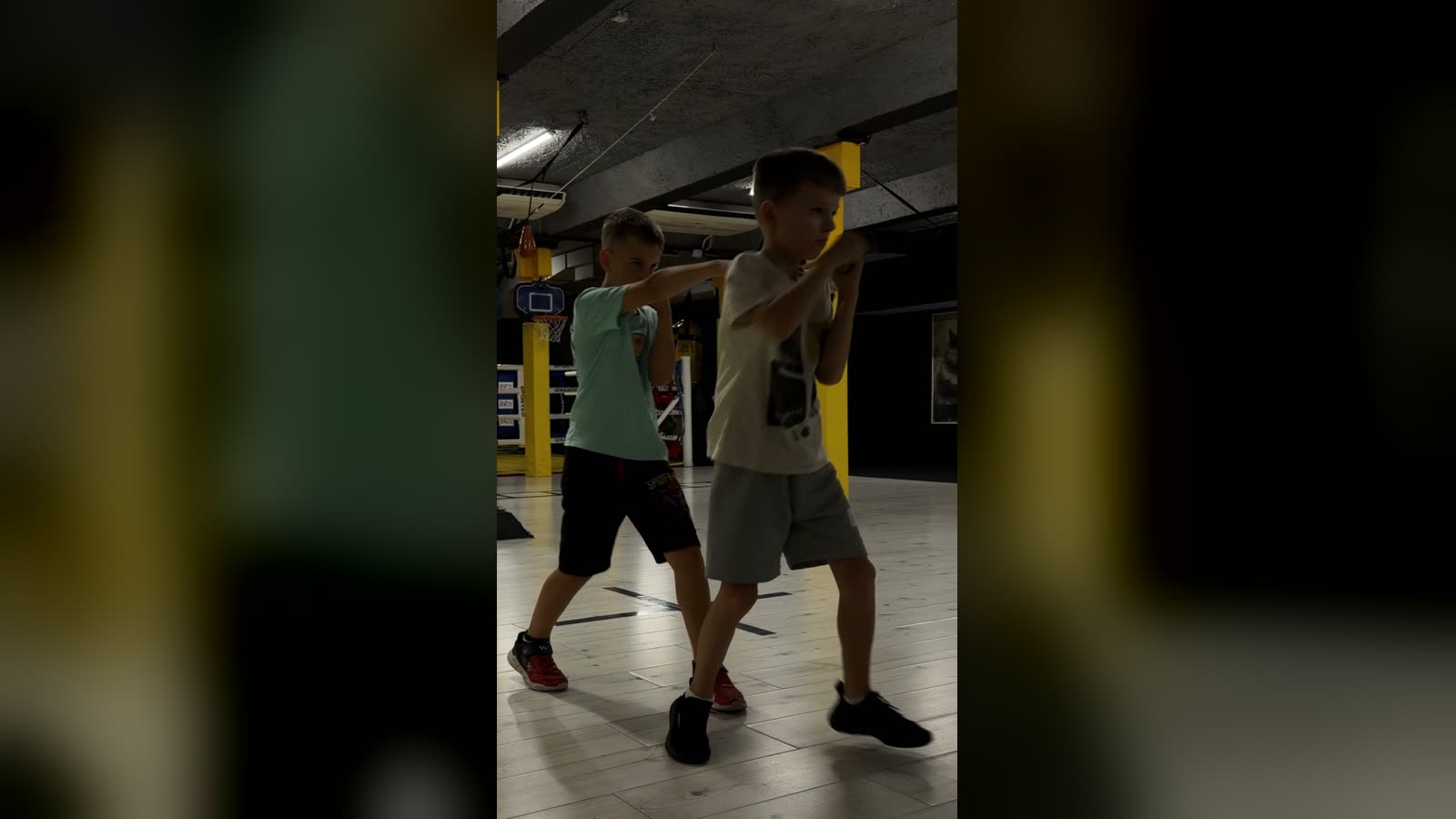
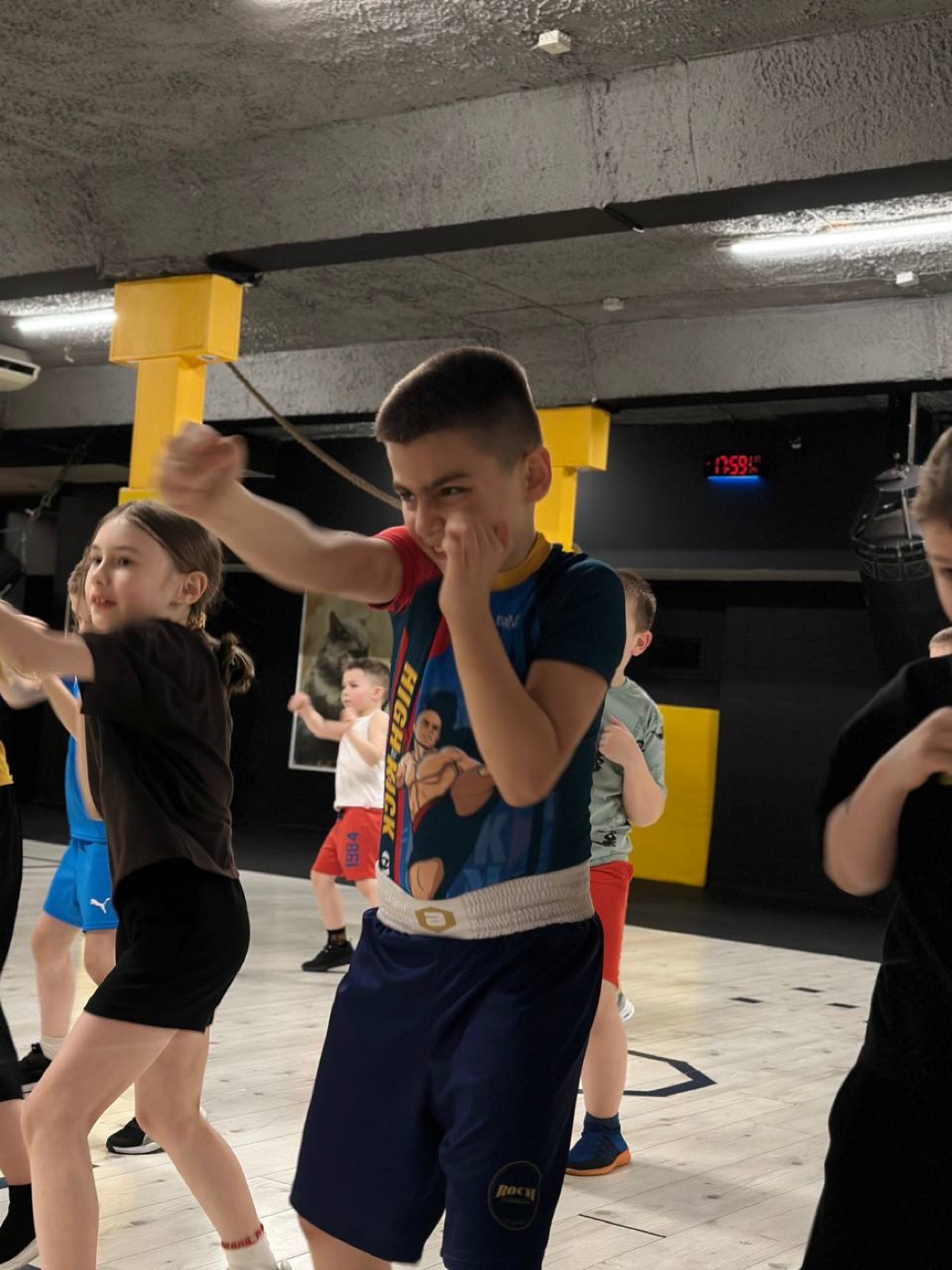
Boxing for children gives three things above all: control over their own body (coordination, balance, fitness), control over their time and attention (discipline, focus) and a quiet self-confidence that has nothing to do with aggression. It is an individual sport trained as a team — your child is responsible for themselves, but grows within a group that cheers them on.
Below we break those benefits down into specifics: what exactly develops in training, what boxing will not fix, and what to look at when choosing a club. At BKS Rocky Szczecin children train in two age groups — 6–9 years and Junior 10–15 years — so the workload and the format of the sessions are matched to their age.
Coordination and all-round fitness
Boxing is one of the most "whole-body" sports there is. A punch does not start in the hand, it starts in the foot — your child has to learn to shift their body weight, rotate the hips and keep their guard up at the same time. That is inter-limb coordination training in its purest form.
What develops fastest in younger children:
- Balance and stability — the boxing stance forces constant control of the centre of gravity.
- Footwork — steps, changes of direction, stops; it is agility training similar to agility ladder drills.
- Rhythm and sense of distance — your child learns to judge how far away the target is and when to move.
- Reaction — pad work teaches them to respond to a cue rather than repeat a memorised sequence.
- General stamina — the warm-up, skipping rope and circuits build fitness without the monotony of running.
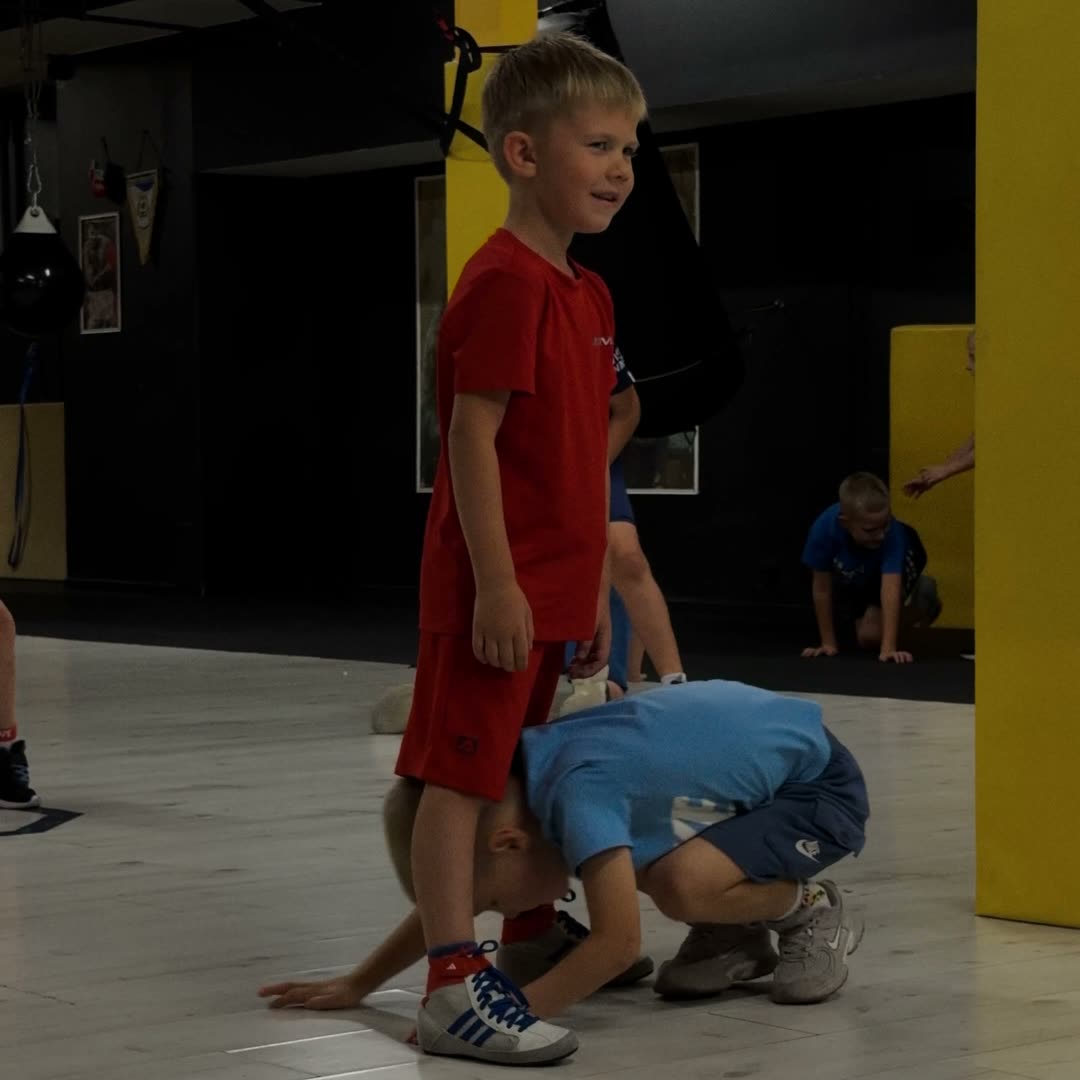
This is a base that carries over into other sports. A child who has spent a year working on coordination in boxing usually settles in faster in football, swimming or martial arts too.
Discipline and focus
A boxing session has a fixed structure: warm-up, technique, work on equipment, general conditioning, stretching. The repetition is not boredom — it is a framework in which your child learns that results come from regularity, not from one good day.
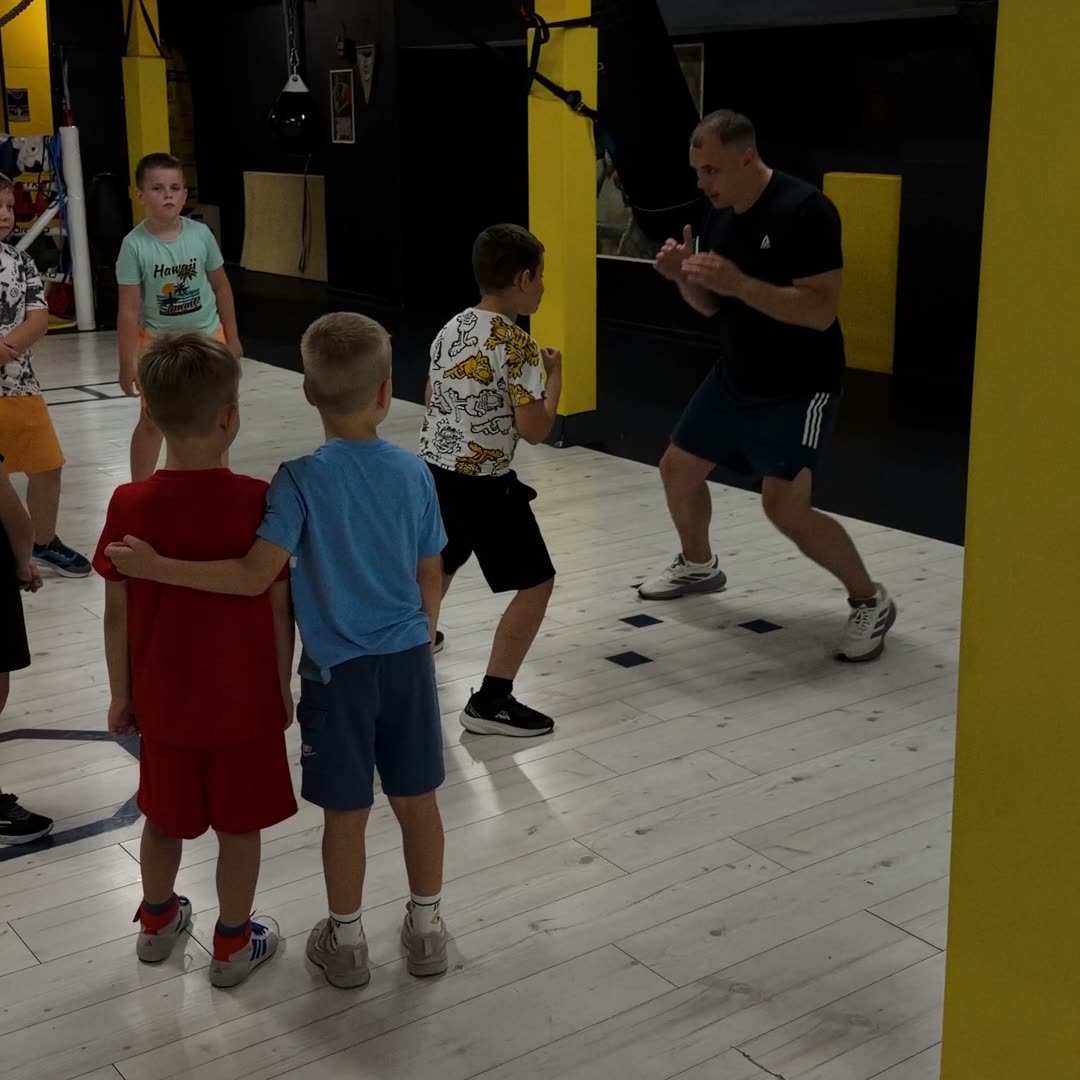
In class your child practises things that are hard to practise at home:
- Listening and following instructions straight away, without negotiating — but in a calm, friendly atmosphere.
- Holding their attention for the whole session — from the warm-up to the last exercise.
- Patience with technique — a simple punch has to be repeated hundreds of times before it starts to look like a punch.
- Coping with fatigue — the last round on the bag teaches more than an hour-long talk about perseverance.
You often notice this change outside the gym first: in how they pack their bag, how they keep an eye on the time before training, how they approach tasks that do not go right the first time. It is the natural consequence of a sport where progress only shows up if you are consistent.
Confidence without aggression
This is parents' most common worry: "won't my child start fighting?". In a well-run boxing club the opposite happens. A child who knows what they can do has no need to prove anything in the playground.
Where that confidence comes from:
- from measurable progress — a combination that did not work a month ago works today;
- from getting used to stress — working in pairs under a coach's eye teaches them to stay calm when things get tense;
- from acceptance in the group — nobody comes last, because everyone trains at their own level;
- from knowing the rules — in Olympic boxing a referee runs the bout, and protective gear and clear rules are mandatory; violence outside the gym is the opposite of all that.
In a well-run club, two things are separated from day one: the skill and the use of it. A good coach explains that boxing is a sport and a test of character, not a tool for settling conflicts. It helps if your child hears the same message at home.
What about sparring?
There is no sparring in the first sessions. It comes later and is matched to the level of the athlete. In Olympic boxing, young boxers compete in a headguard and a mouthguard. Your child first masters the stance, footwork, guard and basic punches; only then do they work in contact.
Respect and teamwork
Boxing is only individual in the ring. A lot of the work is done in pairs: one holds the pads, the other punches, then you swap. Without trust and attention to your partner there is no training.
So your child learns to:
- greet their partner before a pair exercise and thank them afterwards,
- adjust their power for a smaller or weaker partner,
- take the coach's comments without getting upset,
- cheer on teammates, including those who are better.
That is exactly the character-building we talk about at Rocky: discipline, respect and a team you want to come back to.
Boxing for kids at BKS Rocky: groups and timetable
| Group | Age | What the sessions focus on | When they train |
|---|---|---|---|
| Children | 6–9 years | Coordination, movement games, stance, basics of punching, safety rules | Tue and Thu 17:00 and 18:00; Sat 12:30 (children + junior) |
| Junior | 10–15 years | Technique, conditioning, pad, bag and pair work | Mon, Wed, Fri 17:00; Sat 12:30 (children + junior) |
You will find all the times in the training timetable.
What boxing will not give your child
Honestly: no sport is a miracle cure. Boxing will not "fix" behavioural problems in a few weeks, it will not replace working with a psychologist and it does not guarantee that your child will stop getting angry. We also do not promise that every child will like this sport — some will decide after a few sessions that they prefer something else, and that is perfectly fine.
If your child has health problems, a history of head injuries, sight problems or other limitations, the decision about training is made by a doctor. That is not a formality — it is essential.
What to look for as a parent
Before you sign your child up anywhere, check a few things:
- The coach's qualifications — a licensed instructor with competitive experience sets the workload differently. The children's and junior groups at BKS Rocky are led by head coach Viacheslav Prokopchuk, Master of Sport of Ukraine and a European Championship bronze medallist; you will find profiles of the whole team on the coaches page.
- The club's licence — Rocky is a licensed boxing club (Polish Boxing Association, PZB) and its athletes compete regularly.
- Division into age groups — a six-year-old and a fifteen-year-old need a different load and a different kind of session. Check whether the club has separate groups, and ask how the coach adapts the exercises when groups train together.
- The atmosphere in the gym — listen to how the coach speaks to the children. A calm, matter-of-fact tone is a good sign.
- Protective gear — a mouthguard, headguard and correctly sized gloves are standard, not an extra.
- An easy journey — your child is going to train 2–3 times a week for years, so the logistics matter. Our gym is in the centre of Szczecin, at ul. Jagiellońska 67.
You can read more about the selection criteria in the article how to choose a boxing club.
How to start
For the first session all you need is sports kit, a change of shoes, a bottle of water and a towel. Ask about gloves for the first session when you sign up — buying your own gear only makes sense once your child has decided they want to carry on.
The cost depends on how often they train. For children there is a family pass priced per person: 8 sessions 199 zł, 12 sessions 225 zł, 16 sessions 245 zł; the pass is valid for 30 days. You will find the details in the price list, and a description of the individual sessions in the training section. If you are wondering about the right age to start, the article what age kids can start boxing will help.
The simplest way to find out whether this sport is right for your child is simply to come along and see a session with your own eyes — the first session is free.
Frequently asked questions
From what age can a child start boxing?
At BKS Rocky the youngest group is Children 6–9, and from the age of 10 a child trains in the Junior group (10–15 years). Readiness is not only about age, but also about being able to stay focused on the coach's instructions for the whole session.
Won't boxing teach my child to be aggressive?
In a well-run club the skill is separated from its use from the very first session: Olympic boxing is a sport with a referee, protective gear and clear rules. Children who have a sense of self-worth and a structured training routine usually look for conflict less often.
How many times a week should a child train?
Two sessions a week is a good start — enough to make progress without clashing with schoolwork. Three sessions make sense once your child has been training for a few months and wants it themselves.
Is boxing good for a shy child?
Often, yes: progress is concrete and your child notices it themselves, and in pair work they train with peers, not against them. It is worth telling the coach that your child is shy so that they can bring them into the group gently.
What should I buy my child to begin with?
For the first session sports kit, a change of shoes and water are enough; ask about gloves when you sign up. If your child stays for the long run, the first pieces of their own gear should be a mouthguard and wraps, and only then gloves chosen for their weight and hand size.
First training session is free
Leave your contact details — we will call back and find a convenient time. Groups for kids, juniors and adults in the centre of Szczecin.
Book a trial session ul. Jagiellońska 67, Szczecin · +48 579 118 191Read next
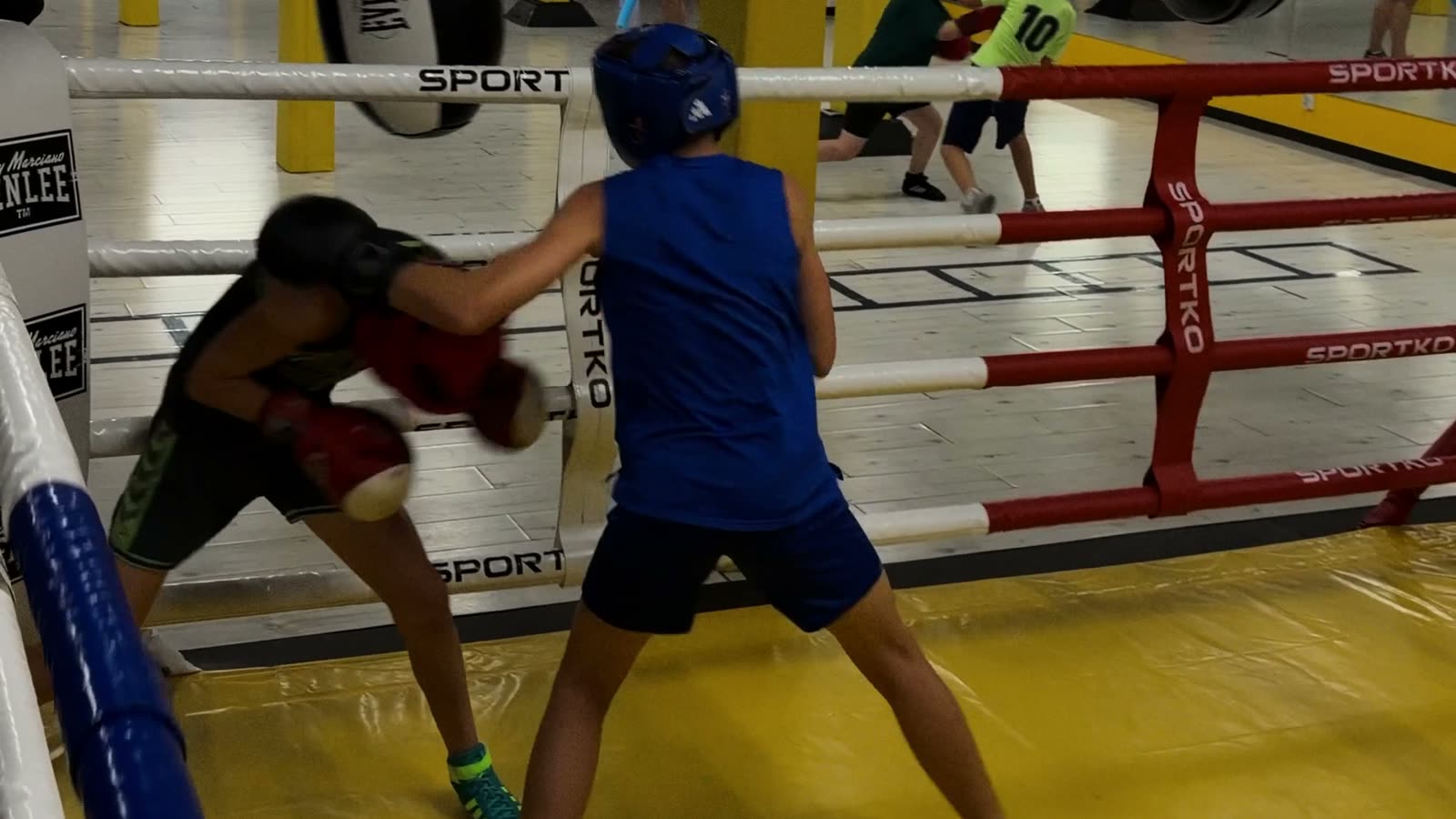
Boxing for Teenagers in Szczecin: Junior Group 10–15
The Junior group 10–15 at BKS Rocky trains on Mondays, Wednesdays and Fridays at 17:00, plus Saturdays at 12:30. Check the timetable, the rules, the…
Boxing for Kids in Szczecin: What Age Can They Start?
At BKS Rocky Szczecin, children train in boxing from the age of 6. See what a session for the youngest looks like, which age groups there are, and…

Personal Boxing Training in Szczecin: Who It's For and Cost
A one-to-one session with a coach is the fastest way to fix your technique and get fitter. See what personal boxing training in Szczecin involves,…